wellness
Bangkok's Silom Markets Reveal 5 Fermented Foods That Heal Guts
From the clay pots of traditional Thai kitchens to the cold shelves of Silom's specialty grocers, the fermented foods your microbiome needs are closer than you think.
How we reported this
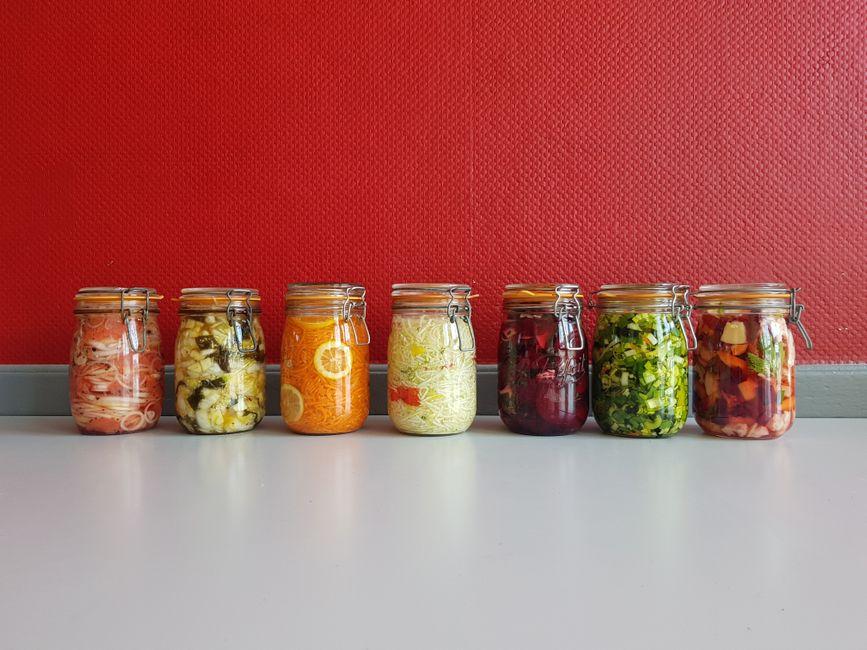
Walk the length of Silom Road on any given Friday morning and you will pass at least a dozen vendors selling food that has been quietly fermenting for days, sometimes weeks. Most shoppers walk straight past it. That is changing. Gastroenterologists at hospitals along Sathorn Road have reported a steady uptick in patients asking specifically about gut microbiome support, and the global conversation around fermented food, turbocharged by a surge in probiotic research published since 2023, has finally hit Bangkok's busiest commercial district.
The science behind fermented foods is no longer fringe. A 2024 meta-analysis published in Nature Medicine found that adults who consumed at least three servings of fermented food daily showed measurably higher gut microbial diversity compared to control groups. Higher diversity is consistently linked to stronger immune response, lower systemic inflammation, and improved mood regulation via the gut-brain axis. The practical implication is straightforward: you do not need a supplement if you know where to eat.
What's Already on Your Doorstep
Silom has a stacked pantry, once you know how to read it. The most obvious starting point is pla ra, fermented freshwater fish, sold in sealed plastic tubs at the covered wet market running off Silom Soi 20. A 500-gram container runs between 60 and 90 baht depending on the producer. It is pungent, intensely salty, and packed with lactobacillus strains from the fermentation process. A small spoonful stirred into a dipping sauce a couple of times a week is a realistic, low-cost way to introduce live cultures into your diet.
Healthier-eating positioning has also reached the neighbourhood's supermarket tier. Villa Market on Silom Road stocks a rotating selection of Korean kimchi, two to three brands at any given time, priced at around 120 to 180 baht for a 300-gram jar, alongside a small but growing kefir section. Japanese miso paste, another fermented staple rich in Aspergillus oryzae cultures, sits on the same shelf. Both are shelf items that Silom's Japanese expat community has been buying quietly for years; the broader Thai market is now catching up.
For something more local and more adventurous, nham, fermented pork sausage wrapped in banana leaf, is sold at several street stalls near the Chong Nonsi BTS station entrance on Narathiwas Road. It is made using a controlled lactic acid fermentation process and is typically eaten raw alongside fresh ginger slices, which have their own anti-inflammatory properties. Prices start at 25 baht per piece. Health-conscious newcomers are sometimes cautious about raw pork products; if that applies to you, starting with plant-based ferments like kimchi or kombucha is the pragmatic move before expanding your range.
Building a Realistic Fermentation Routine
The challenge with gut health advice is that it tends toward the abstract. A practical framework helps. Nutritionists working out of wellness clinics on Sala Daeng Soi 1 generally recommend what they describe as the 3-2-1 approach: three types of fermented food in the weekly diet, two servings of each per week, one month of consistent intake before expecting to notice any difference. The timeline matters. The gut microbiome does not reorganise overnight. Stanford University research published in Cell in July 2021, still one of the most cited studies in this space, found that a high-fermented-food diet produced detectable microbiome changes within ten weeks.
Kombucha has arrived in Silom's café circuit too. Veggolution, a plant-forward café near the Silom Complex end of the road, has stocked house-brewed kombucha at 120 baht per bottle since early 2025, and demand has grown consistently month on month through the first half of 2026. It is not a miracle drink, but as a lower-sugar alternative to soft drinks that also delivers live bacterial cultures, the trade-off is sound.
The easiest entry point is still the wet market off Soi 20. Spend 90 baht, take it home, use a small amount daily, and give your gut a month. If you have an existing digestive condition, check with a physician at Bumrungrad International or a local clinic before significantly ramping up fermented food intake, some conditions require a more managed reintroduction. For everyone else, the pantry is already open.