wellness
Neuroscience Reveals How Mindfulness Physically Rewires Your Brain
New neuroscience is rewriting what we thought we knew about meditation, and Silom's thriving wellness scene is already ahead of the curve.
How we reported this
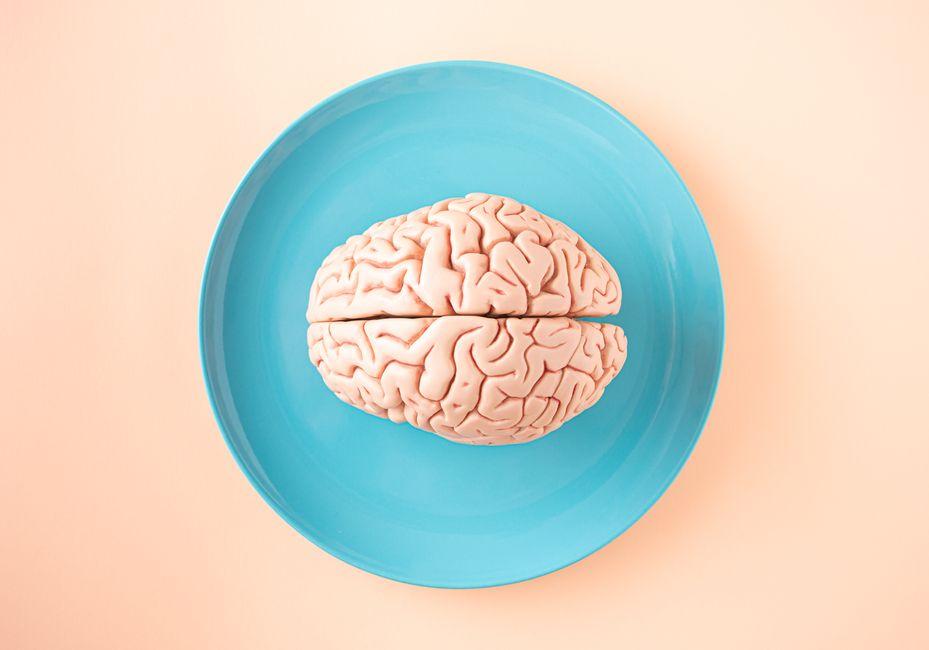
Eight weeks. That is how long researchers at Massachusetts General Hospital found it takes for a consistent mindfulness practice to measurably thicken the prefrontal cortex, the brain region responsible for decision-making, emotional regulation, and what neuroscientists call executive function. The landmark study, first published in Psychiatry Research: Neuroimaging and replicated numerous times since, gave the wellness world something it had been waiting for: hard structural evidence that meditation physically changes the brain.
The timing matters. Bangkok's urban workforce is under compounding pressure in mid-2026, rising property costs, AI-driven job uncertainty, and a broader cultural reckoning with burnout have pushed mental health conversations from the margins to the mainstream. In Silom, one of the city's most frenetically paced business districts, demand for structured mindfulness programming has climbed sharply over the past 18 months. Studios and corporate wellness providers here are citing waitlists they haven't seen before.
What the Neuroscience Actually Shows
The brain changes documented by researchers fall into three broad categories. First, the prefrontal cortex thickens, improving focus and impulse control. Second, the amygdala, the brain's threat-detection centre, shrinks in grey matter density among regular meditators, which correlates directly with lower self-reported anxiety and a blunted cortisol response to stressors. Third, the default mode network, the neural circuit that fires when your mind wanders and which is strongly associated with rumination and depression, becomes less dominant. A 2023 meta-analysis published in Neuroscience & Biobehavioral Reviews examined 78 separate neuroimaging studies and concluded that even 13 minutes of daily mindfulness practice, sustained over eight weeks, produced detectable changes across all three of these systems.
Cortisol reduction is not trivial. Chronically elevated cortisol suppresses immune function, disrupts sleep architecture, and is implicated in cardiovascular disease, conditions that cost Thailand's public health system an estimated 47 billion baht annually in treatment, according to a 2024 National Health Security Office report. The argument for preventive mindfulness programming is, increasingly, an economic one as much as a personal one.
Separate research from the Max Planck Institute for Human Cognitive and Brain Sciences found that different styles of meditation target different neural systems. Focused-attention practices, watching the breath, body scanning, strengthen the anterior cingulate cortex, which governs attentional control. Open-monitoring practices, sometimes called choiceless awareness, activate the insula and improve interoception, the brain's ability to sense internal body states. In plain terms: not all meditation is the same, and which type you choose should depend on what you are actually trying to fix.
Where Silom Is Putting This Into Practice
Two organisations along the Silom corridor are applying this science with unusual rigour. The Samahita Retreat's urban programme, operating out of a studio on Soi Convent, structures its eight-week Mindfulness-Based Stress Reduction curriculum, modelled on the protocol developed by Jon Kabat-Zinn at the University of Massachusetts in 1979, around precisely the focused-attention and open-monitoring split described in the Max Planck research. Monthly fees run approximately 3,500 baht for group sessions, with sliding-scale options available.
Further along Silom Road, the Bangkok Meditation Society holds Thursday-evening sits at its premises near Sala Daeng BTS station, drawing a mixed crowd of Thai professionals and expatriates. The society began offering a six-session neuroscience primer alongside its traditional Vipassana instruction in January 2026, specifically to give practitioners a clinical framework for what they are experiencing, grounding ancient technique in current brain imaging evidence.
Corporate uptake is accelerating too. Several multinational firms with regional headquarters in the Sathorn-Silom precinct have contracted wellness providers for on-site mindfulness programming since Q1 2026, part of broader employee mental health mandates becoming standard across Southeast Asian offices.
The practical advice is straightforward: start small and be consistent. The research is unambiguous that frequency matters more than duration. Thirteen minutes daily outperforms 90 minutes once a week. Apps such as Insight Timer offer free guided sessions in Thai and English. For anything beyond self-directed practice, particularly if anxiety, insomnia, or chronic stress are the primary concerns, consulting a licensed mental health professional or a certified MBSR instructor in the Silom area is the sensible first step before committing to a programme. The brain is plastic. The science says so. The studios on Soi Convent are counting on it.