wellness
Still Mind, Busy City: A Beginner's Guide to Starting a Meditation Practice in Bangkok
You don't need a monastery or a yoga mat, just five minutes and a willingness to sit with yourself.
How we reported this
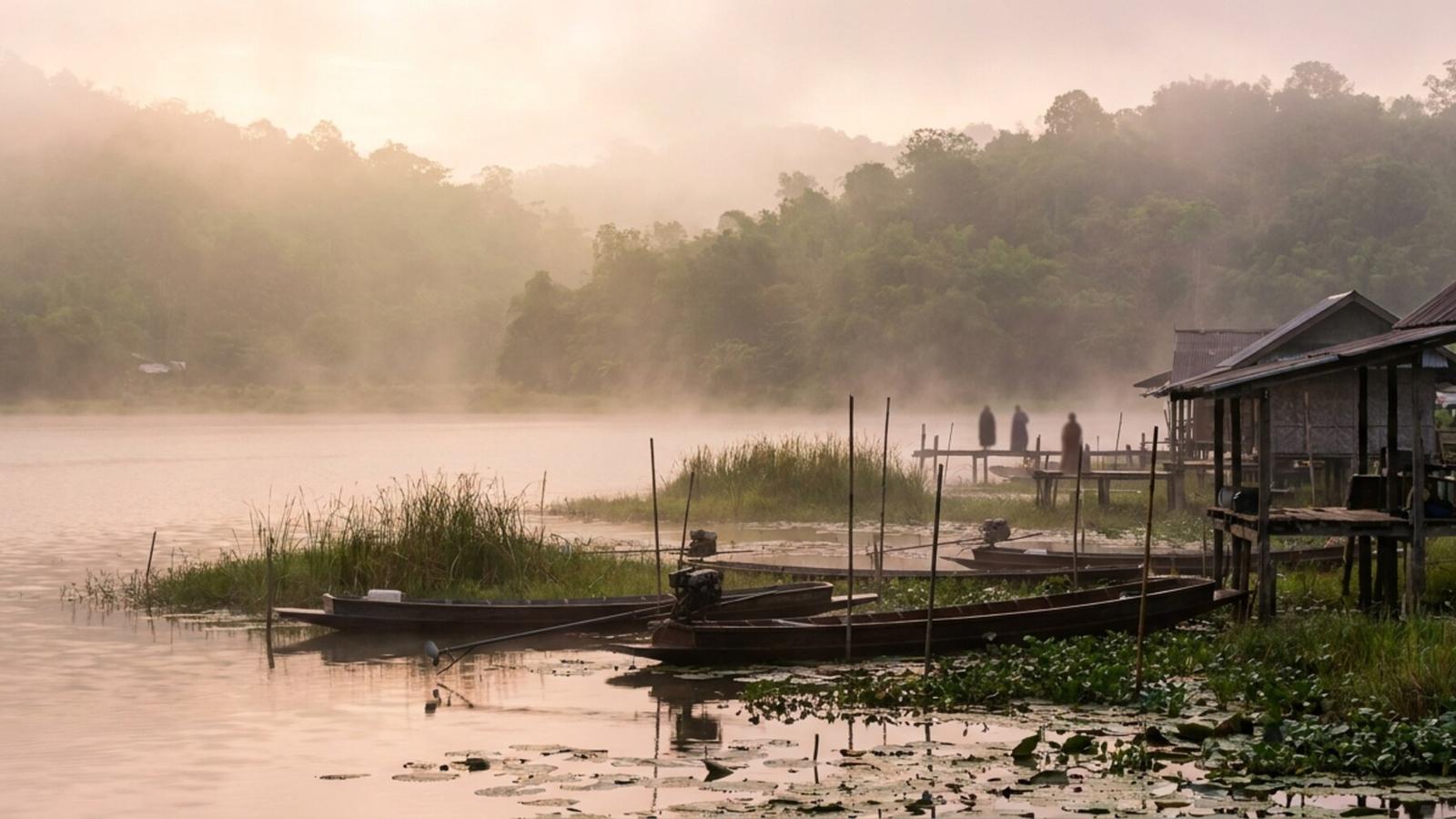
Bangkok's wellness economy is booming. Meditation studios, temple programmes and app-based mindfulness courses have multiplied across the city over the past three years, yet surveys of urban Thais consistently show that fewer than one in five people who express interest in meditation have ever maintained a regular practice for longer than two weeks. The barrier isn't access. It's knowing where, and how, to start.
That gap matters more right now than it did even five years ago. Bangkok recorded its highest-ever average daily commute time in 2025, according to traffic data published by the Bangkok Metropolitan Administration, and chronic stress is increasingly cited by Thai public health researchers as a driver of sleep disorders and hypertension among working-age adults in the capital. Against that backdrop, meditation is no longer a fringe hobby. It is, by any reasonable reading of the evidence, a public health tool sitting largely unused on the shelf.
Where to Begin, and Where Bangkok Makes It Easy
Start small. Research published in the journal Mindfulness in 2023 found that practitioners who began with sessions of five to ten minutes daily reported higher adherence at the three-month mark than those who attempted thirty-minute sessions from week one. The science is fairly consistent on this point: duration matters far less than regularity, especially in the first month.
Bangkok offers beginners an unusual advantage, the city has genuine, accessible entry points that cost very little. Wat Mahabut on Sukhumvit Soi 77 in On Nut runs free Sunday morning meditation sits open to non-Thai speakers, typically starting at 7.30 a.m. The atmosphere is less formal than a dedicated retreat, which suits beginners who find the idea of a full day of silence intimidating. Further into the city, the House of Dhamma in Lat Phrao has offered structured beginner meditation programmes in English and Thai since the early 1990s, with introductory weekend courses priced at around 600 to 800 baht as of early 2026. These are not luxury wellness experiences, they are working practice environments, and that distinction matters for beginners who need to separate meditation from the aspirational wellness industry surrounding it.
For those who prefer to start alone at home, the Insight Timer app has a free library of guided meditations, including several recorded by Thai teachers, and as of July 2026 it remains the most-downloaded meditation app in Thailand's App Store. A five-minute body scan or a simple breath-counting exercise costs nothing and requires no equipment beyond a chair or a floor cushion.
Building the Habit Without Breaking It
The most common mistake beginners make is treating meditation like a performance. They sit, notice their mind wandering, and conclude they have failed. They have not. Mind-wandering is not the problem meditation is trying to solve, it is the very condition that makes the practice useful. The moment you notice your attention has drifted and you bring it back, that is the practice. That moment of noticing is the repetition, in the same way a bicep curl is a repetition at the gym.
Anchor your session to an existing habit. Meditating immediately after morning coffee or directly before a daily commute to the BTS Skytrain, say, at a station like Thong Lo or Ari where covered outdoor seating is available, increases the likelihood you will actually do it. Behavioural researchers call this habit stacking, and the evidence for its effectiveness in building new routines is strong.
Set a timer for five minutes. Sit upright. Breathe normally. When your attention wanders, and it will, within seconds, return it to the breath without judgment. Do this every day for two weeks before extending the duration. That is the full beginner instruction. Everything else is refinement.
If you want structured support beyond a temple or a paid course, the Thailand Vipassana Centre in Prachinburi province runs ten-day residential retreats several times per year, with the next intake scheduled for September 2026. Registration is free; the centre asks participants to contribute to costs only after completing the course. For a beginner, that level of commitment is premature, but knowing it exists gives the practice somewhere to go. Start with five minutes on a Tuesday morning in your apartment on Rama IV Road. Everything else follows from there.
For personal health and wellness advice tailored to your situation, consult a qualified medical professional in Thailand.