wellness
The Science Behind Mindfulness: What It Actually Does to the Brain
Neuroscience is catching up to what Riverside's meditation community has practised for years, and the findings are hard to ignore.
How we reported this
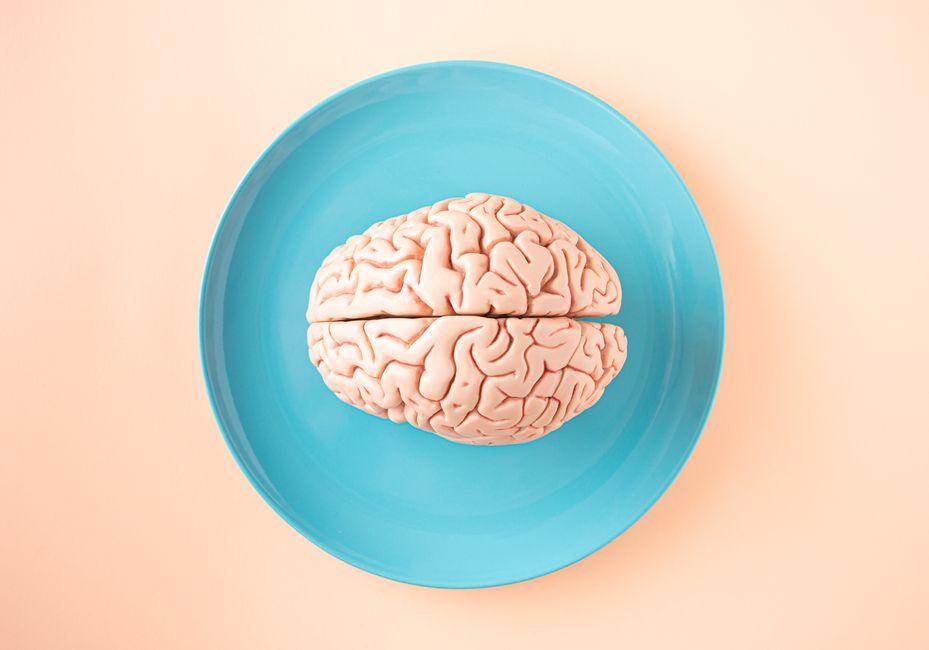
Regular meditation physically reshapes the brain. That's not a wellness-industry slogan, it's the conclusion of peer-reviewed neuroimaging research that has accumulated steadily since the early 2000s, and it's reframing how health professionals think about stress, attention, and chronic pain. For Riverside residents already engaged in the city's active wellness culture, the science offers a compelling reason to stick with the practice, or finally start.
The timing matters. Hormonal health, sleep disruption, and occupational burnout are dominating wellness conversations right now, with clinicians reporting rising patient inquiries about non-pharmaceutical interventions. Mindfulness sits squarely in that gap. It costs nothing to practise alone, yet the structural changes it produces in the brain are measurable on an MRI scanner within eight weeks of daily use.
What the Research Actually Shows
The most-cited finding comes from a 2011 Harvard Medical School study led by Sara Lazar, which used MRI to compare long-term meditators with non-meditators. The meditators showed measurably greater cortical thickness in the prefrontal cortex, the region governing decision-making and emotional regulation, and in the right anterior insula, linked to body awareness. Participants averaged 27 minutes of daily practice. That's less time than most Riverside commuters spend sitting in traffic on Millbrook Avenue during the Friday afternoon rush.
A 2014 Johns Hopkins analysis, published in JAMA Internal Medicine, reviewed 47 randomised controlled trials involving 3,515 participants. It found moderate evidence that mindfulness-based meditation reduced symptoms of anxiety, depression, and pain. The effect sizes were comparable to antidepressants for mild-to-moderate depression, without the side-effect profile. More recent work from the Max Planck Institute in Leipzig, concluded in 2023, mapped how different meditation styles target distinct brain networks: focused-attention practice thickens the anterior cingulate cortex, while open-monitoring practice, the kind where you observe thoughts without engaging them, strengthens the default mode network's self-referential processing. The two approaches produce different neurological outcomes, which means technique matters.
Cortisol is part of the story too. A 2013 study from UC Davis measured cortisol and inflammatory markers in participants before and after a three-month intensive retreat. Cortisol levels dropped significantly, and the reduction correlated with decreased density of grey matter in the amygdala, the brain's threat-detection centre. Smaller, less reactive amygdalas, the researchers noted, track with lower baseline anxiety.
Where Riverside Practitioners Are Putting This Into Practice
The Riverside Mindfulness Collective, which runs out of the Eastbank Community Centre on Ferris Street, offers an eight-week Mindfulness-Based Stress Reduction course, the same structured MBSR format developed by Jon Kabat-Zinn at the University of Massachusetts in 1979 and used in the bulk of the clinical research. The next intake begins August 4, with sessions running Tuesday evenings at 6:30 p.m. The cost is $240 for the full program, with concession places available at $120.
Across the river, Stillpoint Studio on Quarry Lane runs a brain-health-focused meditation series developed in consultation with the Riverside Regional Health Network. The six-week program, titled Rewire, launched in February 2026 and is now in its third cohort. It explicitly bridges the neuroscience literature with guided practice, participants receive a reading pack drawn from published studies and spend the first 20 minutes of each session discussing the research before practising. Drop-in sessions are $18; the full series is $95.
Neither venue claims to treat medical conditions, and both programs recommend participants consult a local GP or psychologist before enrolling if they have a diagnosed mental health condition. That caveat matters. The research base, while genuinely strong, is built on populations without active psychosis or severe trauma histories, and clinicians stress that meditation can surface difficult material.
The practical bottom line for anyone curious: start small. The Harvard and Johns Hopkins data suggests 20-30 minutes daily produces measurable change, but even shorter sessions build the habit. The Ferris Street collective runs a free 30-minute introductory session every first Saturday of the month, the next one falls on August 1. The neuroscience will still be there when you arrive. So will your prefrontal cortex, waiting to thicken up.