wellness
Shift Workers and Irregular Sleep: Practical Strategies for Getting Real Rest
From the overnight tuk-tuk drivers of Rattanakosin to late-shift kitchen staff on Khao San Road, Bangkok's Old City runs on people whose bodies rarely see a consistent bedtime.
How we reported this
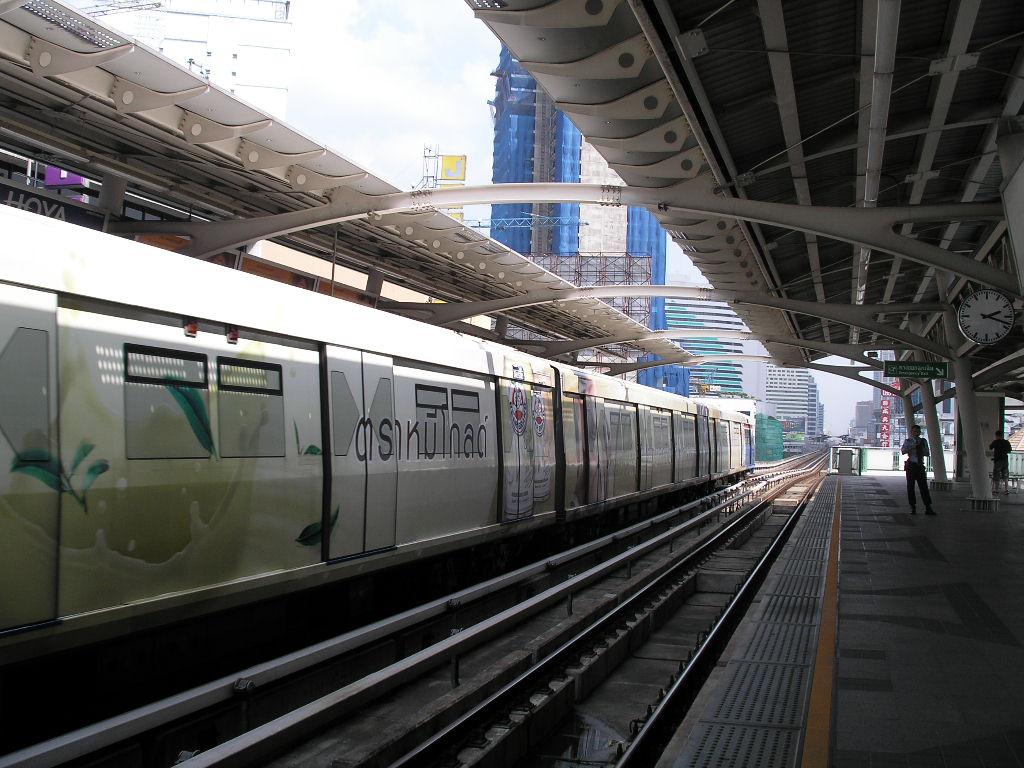
Shift work doesn't respect circadian rhythms. Bangkok's historic core, bound by Sanam Luang to the north, the Chao Phraya river to the west, and the dense commercial lanes of Bamrung Mueang Road threading east, keeps going well past midnight, and the workers who power it pay a physiological price. Irregular sleep schedules are now one of the most underreported health concerns among the Old City's working population, from hotel staff near Tha Tien pier to security guards watching over the Grand Palace precinct through a 12-hour overnight shift.
The timing matters. Global attention to hormone health and sleep science has sharpened considerably in mid-2025 and into 2026, with researchers and clinicians revisiting how melatonin production, cortisol cycles, and metabolic function are disrupted when sleep falls outside the conventional 10 p.m.-6 a.m. window. For Old City Bangkok specifically, the issue cuts across tourism, hospitality, and the informal economy simultaneously, three sectors that define the district's daily rhythm.
The World Health Organization classifies night shift work as a probable carcinogen, a designation that dates to 2007 but carries renewed weight as sleep-health literacy improves. A 2023 study published in the journal Sleep Medicine Reviews found that shift workers have, on average, 1.5 to 2 fewer hours of sleep per 24-hour period compared to daytime workers, and report sleep quality scores roughly 20 percent lower. Those aren't abstract numbers in a neighbourhood where the kitchen at many Phra Nakhon district restaurants turns over staff at 11 p.m. and the next crew clocks in at 6 a.m.
What the Old City Already Offers, and What It Doesn't
Two organisations in the area have begun addressing the gap. The Phra Nakhon Community Health Centre on Tanao Road runs a monthly lifestyle clinic that covers sleep hygiene alongside blood pressure and diabetes screening, it is one of the few public health touchpoints in the district explicitly open to informal workers without a fixed schedule. Sessions run on the first Saturday of each month, with Thai-language materials available at no cost. Separately, Holistic Space Bangkok, a small wellness studio operating off Amulet Market Road near Tha Maharaj, introduced a restorative yoga class in early 2026 timed specifically for people finishing night shifts, starting at 7 a.m. on Tuesdays and Thursdays. Drop-in fees run at 250 baht per session.
What the district lacks is harder to name but easy to feel: there are no employer-led sleep health programmes at the larger hotels clustered around Maharaj Road, no structured peer support for tuk-tuk and motorcycle taxi operators who park near Sanam Luang and doze in their vehicles between fares, and no formal coordination between the district health office and the tourism sector on the issue.
Practical Strategies That Work With Irregular Schedules, Not Against Them
Sleep specialists consistently point to a handful of interventions that help shift workers regardless of which city they live in. The most evidence-backed: anchor your longest sleep block at the same time each day even if that time is noon, keep the sleep environment at or below 26 degrees Celsius, a genuine challenge in Bangkok without air conditioning, and use blackout curtains aggressively, since daylight suppresses melatonin production faster than most people realise. For workers finishing a night shift on Chakrabongse Road at 7 a.m. and walking home into full equatorial sun, a pair of amber-tinted glasses worn for the 20-minute commute can blunt cortisol spikes enough to make morning sleep easier.
Caffeine cut-offs matter more for shift workers than for anyone else. Consuming coffee within six hours of a planned sleep block, whenever that block falls, measurably reduces total sleep time and deep-sleep percentage, according to research published in the Journal of Clinical Sleep Medicine in 2022. A single espresso from one of the cafés near Khao San Road at 4 a.m. is not a neutral act.
Anyone experiencing persistent sleep difficulty, daytime cognitive fog, or mood disruption linked to irregular schedules should speak with a doctor or licensed health professional at one of the district's clinics before self-prescribing supplements including melatonin, which is sold over the counter at pharmacies on Tanao Road and Ratchadamnoen Klang Avenue but carries dosing considerations specific to each individual.