wellness
Yaowarat Residents Build Mental Resilience Through Five Daily Micro-Habits
Inside Yaowarat's wellness culture, residents and practitioners are turning micro-routines into serious mental armour, and the science backs them up.
How we reported this
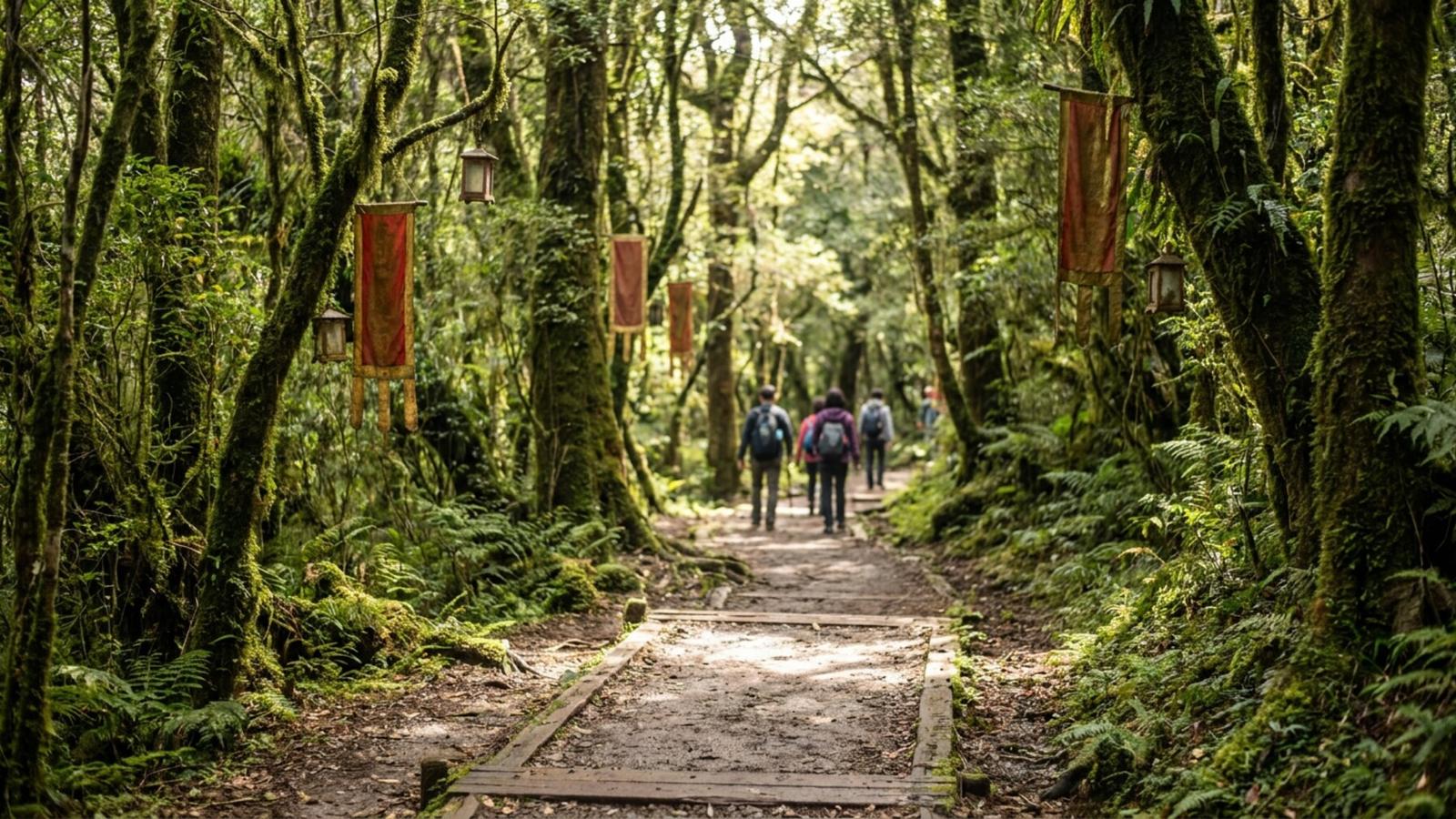
Small habits are doing heavy lifting. Mental health professionals working in Bangkok's Chinatown district report a steady rise in residents seeking stress management guidance since early 2025, driven by rising household costs, long working hours, and what one Yaowarat community health worker described simply as "accumulated pressure." The answer, increasingly, is not dramatic lifestyle overhaul, it is the two-minute breathing exercise before opening the shop, the five-minute walk along Charoen Krung Road at dusk, the cup of chrysanthemum tea taken without a phone in hand.
The timing matters. Global data from the World Health Organization published in 2024 put anxiety and depression among the top five contributors to disability-adjusted life years lost across Southeast Asia. Thailand's Department of Mental Health reported in January 2026 that roughly 1 in 7 Thais screened positive for moderate-to-severe stress symptoms, a figure that mental health advocates say almost certainly undercounts densely populated urban neighbourhoods like Yaowarat, where stigma still discourages formal help-seeking. The commercial pressures of running gold shops, restaurants, and wholesale businesses along Yaowarat Road compound the problem. Proprietors here routinely work 12-hour days, six or seven days a week.
The encouraging part: resilience is trainable, and it doesn't require a therapist's couch or a meditation retreat in Chiang Mai. Psychological resilience, the capacity to absorb stress and recover equilibrium, builds through repetition of small, deliberate actions. Think of it the way a regular customer at Lek & Rut Seafood on Phadung Dao Road thinks about their favourite dish: consistency, not occasion, is what makes it satisfying.
What Yaowarat's Wellness Venues Are Already Doing
The Poh Teck Tung Foundation, which has operated charitable health services in the Yaowarat area for decades, expanded its community mental wellness outreach in March 2026 to include free stress-screening appointments at its Charoen Krung Road clinic on the first Saturday of each month. Demand for those slots filled within 48 hours of the first announcement. Separately, several traditional Chinese medicine (TCM) practitioners clustered around Sampeng Lane have incorporated breathing regulation, a practice rooted in qigong tradition, into standard consultations, offering five-session packages starting at approximately 1,200 baht. These aren't luxury services. They sit beside the same streets where workers load fabric bolts at dawn.
The habits that research consistently endorses are almost aggressively ordinary. A 2023 meta-analysis published in the journal Frontiers in Psychology, covering 46 randomised controlled trials and more than 11,000 participants, found that daily practices of under 15 minutes, including diaphragmatic breathing, gratitude journaling, and brief mindful walking, produced measurable reductions in cortisol markers within four to six weeks. The key variable was not duration but regularity. Missing one day mattered far less than abandoning the habit after a bad week.
For Yaowarat residents, that translates into something concrete. The stretch of Mittaphap Thai-China Park near the Odeon Circle offers a shaded walking loop that takes roughly eight minutes at an easy pace, short enough to fit before the morning market crowd thickens. The park sees its heaviest foot traffic between 6 a.m. and 7:30 a.m., and regulars say the social familiarity of seeing the same faces compounds the mood benefit.
Building the Habit Stack, One Layer at a Time
Psychologists use the term "habit stacking", anchoring a new behaviour to an existing one, to make small practices stick. Wake up, make tea, take three slow breaths before touching your phone. Close the shop, wash your hands, write two sentences about what went well. The specificity of the trigger matters as much as the action itself.
For anyone unsure where to begin, the Poh Teck Tung Foundation's monthly clinics are a low-barrier first step. The Sampeng Lane TCM cluster is worth a visit for those open to integrative approaches. And the park at Odeon Circle costs nothing. None of these require a dramatic rethinking of daily life, only the decision to treat mental maintenance with the same seriousness Yaowarat's traders bring to their ledgers. Consult a local medical professional before making any changes to an existing health regimen.