wellness
Night Shift Workers in Bangkok's Chinatown Combat Sleep Deprivation
From the predawn fish vendors on Charoen Krung Road to the late-closing gold traders of Yaowarat Road itself, Bangkok's Chinatown runs on a clock that most sleep researchers would call a nightmare, here's how to protect your health anyway.
How we reported this
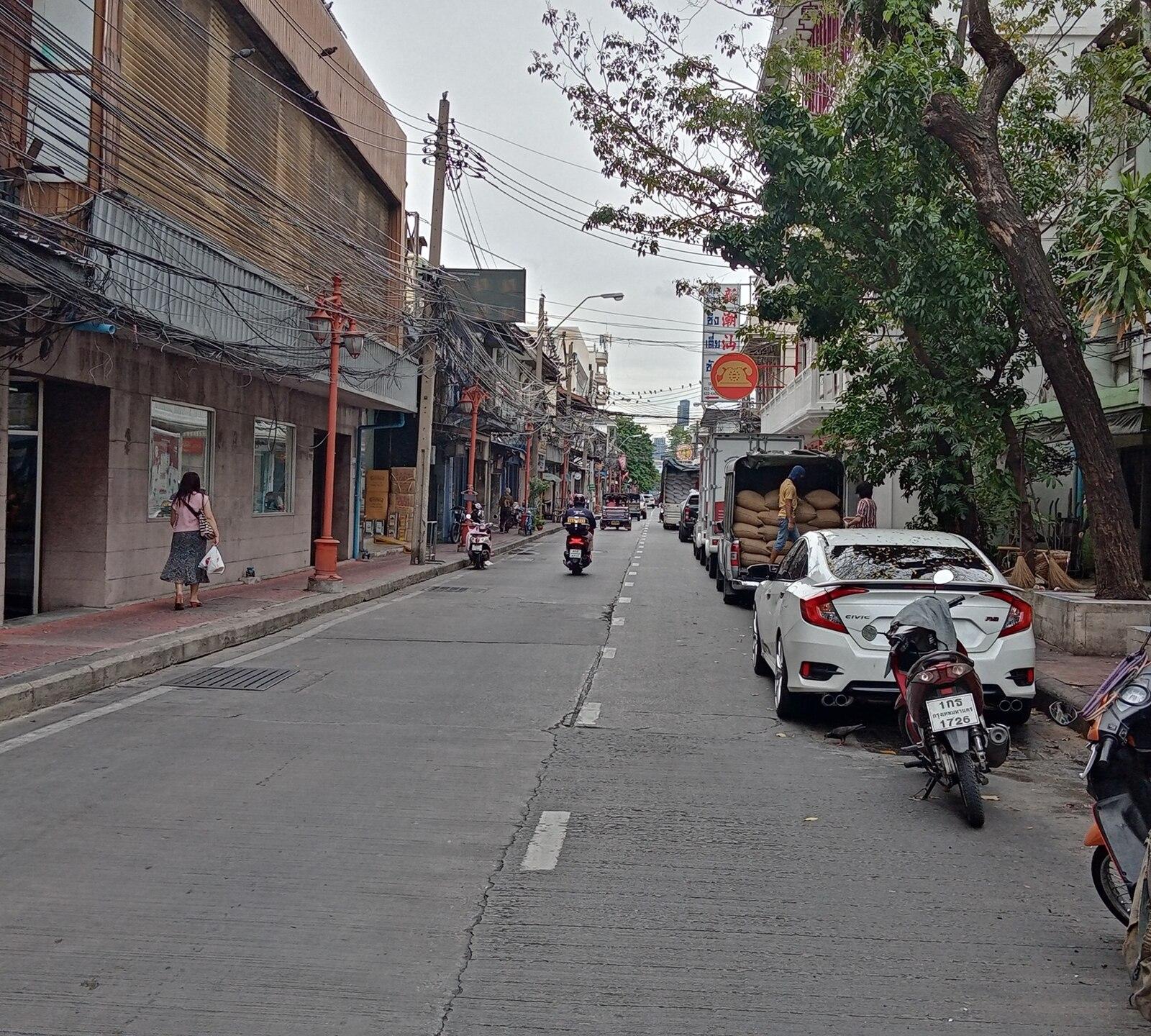
The night shift never really ends in Yaowarat. By 3 a.m. on a typical Thursday, the loading bays behind Talad Kao market are already humming with deliveries, the noodle cart operators on Plaeng Nam Road are firing up their burners, and security staff at the Odeon Circle gold exchange are logging their final hours before the morning crew arrives. For tens of thousands of workers in this neighbourhood, a full eight hours of unbroken sleep is not a lifestyle choice, it is a structural impossibility.
This matters more acutely in mid-2026 because Bangkok's Public Health Ministry released updated occupational health guidelines in April flagging chronic circadian disruption as a priority concern, linking irregular sleep schedules to elevated risks of metabolic syndrome, cardiovascular strain and immune dysfunction. The data arrived just as Yaowarat's post-pandemic tourism surge pushed many hospitality and street-food businesses back to 24-hour or near-continuous operation. The demand is real. So is the cost.
What the Research Actually Says
A 2024 study published in the journal Sleep Medicine found that shift workers who rotate between day and night hours show cortisol rhythms that lag behind their new schedule by an average of four to six days, meaning the body is perpetually catching up. For someone working a rotating three-days-on, two-days-off pattern common among the security and logistics staff serving Yaowarat's wholesale district, that lag compounds across weeks. The World Health Organisation has classified night-shift work as a probable carcinogen since 2007, a classification that has not changed in the nearly two decades since.
Dr. Narumon Thipjinda, a sleep medicine specialist at Chulalongkorn University Hospital roughly four kilometres north on Rama IV Road, has noted publicly in hospital communications that Bangkok's density of shift-dependent industries, hospitality, logistics, food service, healthcare, makes urban sleep deprivation a population-level problem, not an individual failing. The hospital's sleep clinic currently has a waiting list of approximately six weeks for new consultations, a figure staff shared on the clinic's official LINE account in June.
Practical Strategies Rooted in the Neighbourhood
The good news is that several low-cost, locally accessible interventions have solid evidence behind them. The key principle is anchoring, giving the body consistent biological cues even when clock time varies wildly.
First, keep your main sleep block at the same time each day wherever possible, even if it falls at noon. Workers living in the shophouse residences along Mangkon Road who sleep from 8 a.m. to 2 p.m. can use blackout curtains, available at the hardware vendors on the southern end of Yaowarat Road for around 150 to 300 baht per panel, and white-noise apps to block the neighbourhood's considerable daytime activity.
Second, eat strategically. The body uses meal timing as a secondary clock signal. Night workers should aim to eat their largest meal at the start of their shift, not the end. The congee stalls near Wat Mangkon Kamalawat temple on Charoen Krung Road, which open from around 6 p.m., offer a warm, carbohydrate-rich option well-timed for someone starting an overnight run.
Third, light exposure matters enormously. Fifteen minutes of bright light, morning sun or a 10,000-lux lamp, immediately after waking, regardless of the actual hour, helps reset the suprachiasmatic nucleus, the brain's internal timekeeper. Workers whose schedules permit a brief stop at the riverside end of Yaowarat, near the Chao Phraya pier, get this for free most afternoons.
Caffeine has a half-life of roughly five to six hours, so a coffee at midnight means half the stimulant is still circulating at 6 a.m. Melatonin, sold over the counter at Boots on Yaowarat Road at doses of 0.5 to 1 mg, can assist with shifting sleep onset when taken 30 to 60 minutes before the intended sleep window, but anyone on blood-pressure medication or anticoagulants should check with a pharmacist first, as interactions are documented.
The Thai Sleep Society holds free public webinars quarterly; the next is scheduled for September 2026 and registration opens via their website in August. For anyone whose symptoms, persistent fatigue, mood disruption, appetite changes, run deeper than a difficult roster can explain, Chulalongkorn University Hospital's sleep clinic, despite the wait, remains the most comprehensive resource within a reasonable distance of Yaowarat. A referral from a neighbourhood clinic can sometimes expedite the process. In a district that quite literally never sleeps, learning how to do so well is an act of genuine self-preservation.