wellness
Yaowarat Residents Share Budget Secrets Amid Rising Bangkok Food Costs
Amid rising food costs and a post-pandemic tourism surge, long-time Yaowarat residents are sharing what genuinely keeps living expenses manageable in Bangkok's most densely packed commercial district.
How we reported this
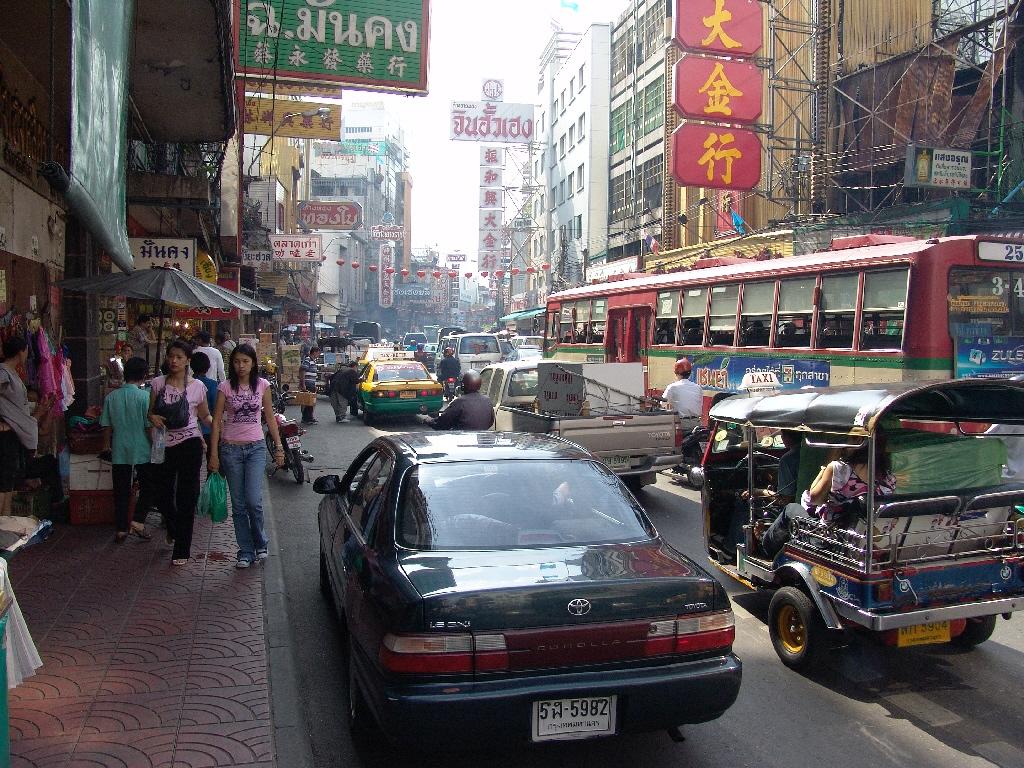
A bowl of jok rice porridge at one of Yaowarat Road's pre-dawn stalls still costs between 50 and 60 baht in July 2026. That single data point tells you nearly everything about the dual economy operating along Bangkok's oldest Chinese commercial strip: street-level staples remain accessible, but rents, packaged goods, and wellness services have climbed steadily since 2024, tracking a broader Bangkok consumer price index increase of roughly 4.2 percent over the past 18 months according to the Bank of Thailand's June 2026 quarterly report.
Why does this matter right now? The Tourism Authority of Thailand counted more than 2.8 million visitors passing through the Yaowarat-Sampeng corridor in the first five months of 2026 alone, a figure that has pushed up short-stay accommodation rates and nudged some fresh-market vendors toward tourist pricing. Permanent residents, the Thai-Chinese families who have anchored Talad Noi and the lanes off Charoen Krung Road for generations, are recalibrating household budgets against a neighbourhood that increasingly caters to weekend visitors from Silom and foreign tourists on tuk-tuk food tours.
Where the Evidence Points on Food and Health Costs
The gap between market and restaurant pricing is wider than most newcomers expect. At Talad Mai, the wet market running parallel to Yaowarat Road near the Odeon Circle, seasonal vegetables sourced from Nonthaburi and Samut Prakan farms typically sell for 20 to 35 baht per 100 grams. The same produce, lightly stir-fried, costs three to four times that at a sit-down shophouse. Experienced residents do a weekly shop before 7 a.m. on Saturdays, when wholesale vendors are still moving bulk stock and prices reflect it. That single habit can reduce a two-person household's weekly food spend by 300 to 400 baht against mid-morning retail pricing.
Wellness spending follows a similar pattern. The Yaowarat Traditional Medicine Association, which operates a clinic on Plang Nam Road, offers standardised consultations starting at 150 baht, substantially below the 400-to-600-baht floor at private integrative health clinics near the riverside. The association's practitioners work under Thailand's Department of Thai Traditional and Alternative Medicine licensing framework, meaning treatments, including acupuncture and herbal dispensing, meet regulated safety standards. That credential matters. Several wellness pop-ups have appeared along Soi Texas and near Wat Mangkon Kamalawat since late 2025; not all carry the same oversight.
Practical Moves That Hold Up Under Scrutiny
Commuting costs inside Yaowarat are genuinely controllable. The MRT Hua Lamphong station sits about 900 metres from the Odeon Circle, and the walk along Charoen Krung Road takes roughly 12 minutes. Residents who ditch motorcycle taxis for that stretch save between 40 and 60 baht per round trip, modest individually, but 2,000 baht monthly at a five-day commute pace. The Chao Phraya Express Boat's orange-flag service, boarding at the Ratchawong Pier three minutes' walk from Yaowarat Road's eastern end, connects to Asok and the central business district for 15 baht flat, versus 80-plus baht for a metered cab in traffic.
Heat management is an underappreciated budget factor. Bangkok's wet season in July brings humidity regularly exceeding 85 percent, and households that run air conditioning without servicing units face electricity bills 25 to 30 percent higher than necessary, according to the Metropolitan Electricity Authority's 2025 household efficiency audit. The MEA's free home energy assessment program, available to registered Bangkok residents, has processed over 14,000 applications since January 2026. Yaowarat residents can register at the Sam Phanthawong District Office on Songwat Road.
The neighbourhood's wellness culture, the early-morning tai chi at Leng Buai Ia Shrine, the temple vegetarian kitchens that serve subsidised meals on Buddhist holy days, offers real, no-cost health infrastructure that urban planners elsewhere would pay considerable money to replicate. Using it consistently, rather than treating it as tourist spectacle, is the low-tech evidence-based tip that longtime residents cite most often. Anyone looking to calibrate personal health decisions to their own circumstances should consult a licensed practitioner at one of Yaowarat's registered clinics rather than relying solely on neighbourhood wisdom, however time-tested it may be.