news
Voices from Chinatown Bangkok on Education Concerns Amid Global Unrest
Community members reflect on how international tensions and economic challenges affect local education prospects in Bangkok’s Chinatown.
How we reported this
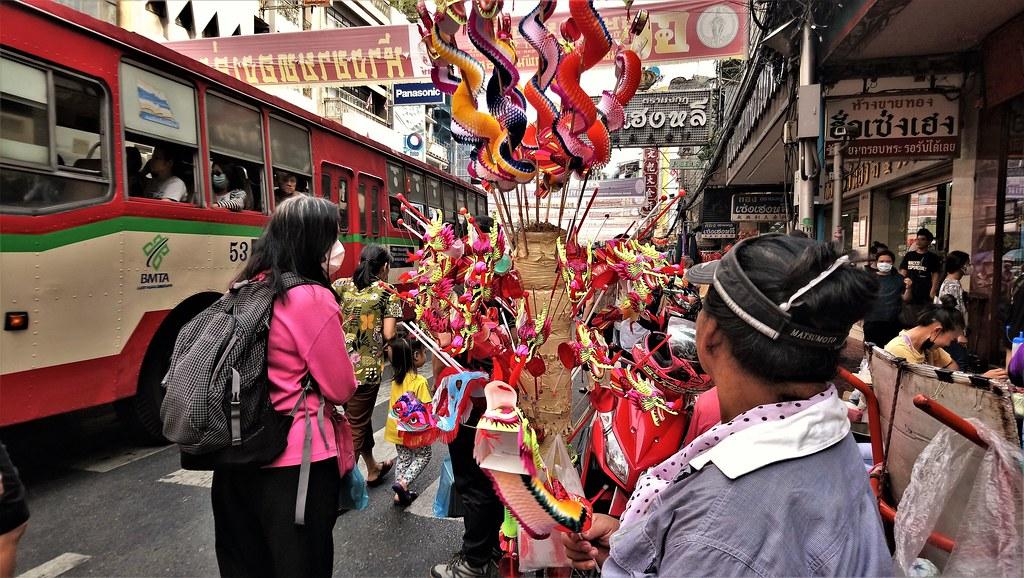
As global geopolitical tensions-particularly between the U.S. and Iran over the Strait of Hormuz-intensify, community members in Bangkok’s Chinatown express growing concerns over the indirect effects on education opportunities. The strain on global trade routes and economic stability threatens funding and resources that many local families depend on to support their children's schooling.
Global Turmoil and Local Worries
The recent escalation of conflict in the Strait of Hormuz, which has involved renewed U.S. blockades on Iranian ports, puts additional pressure on global oil prices and trade flows. While the diplomatic standoff unfolds thousands of miles away, residents in Chinatown feel the ripple effects through rising living costs and potential disruptions in educational programs reliant on international support.
Local education advocates note that when household budgets tighten due to economic uncertainty, families must often scale back expenses related to tuition, school supplies, and supplementary lessons. Such cutbacks are particularly impactful in dense urban neighborhoods like Chinatown, where many households already stretch limited incomes to provide quality education for their children.
Community Perspectives and Local Impact
Chinatown is home to a vibrant mix of working-class families and small business owners, many involved in trade networks indirectly affected by the global tensions. Parents and teachers in the area emphasize the importance of maintaining stable educational provisions, especially in language and vocational training programs that equip youth with skills necessary for Bangkok’s competitive job market.
Although no precise statistics are available from local sources on the direct educational impact, qualitative observations from community groups point to increasing anxiety about continuity and quality in schooling. They highlight challenges in sustaining after-school tutoring sessions and access to materials amid fluctuating household economies and supply chain disruptions.
City education officials have acknowledged these concerns and stress ongoing efforts to monitor the situation and provide support where possible. Programs aiming to bolster community-based education networks are seen as vital to mitigating the effects of external shocks on Chinatown’s youth.
Looking forward, Chinatown families and educators are advised to remain engaged with local authorities and education organizations to access available resources. Strengthening communication channels within the community will be key to adapting educational strategies in this unpredictable environment.