news
Bangkok City Council’s Approach to Urban Challenges Compared with Global Peers
Amid pressing issues like regional security and natural disasters, how Bangkok’s city governance stacks up on the world stage.
How we reported this
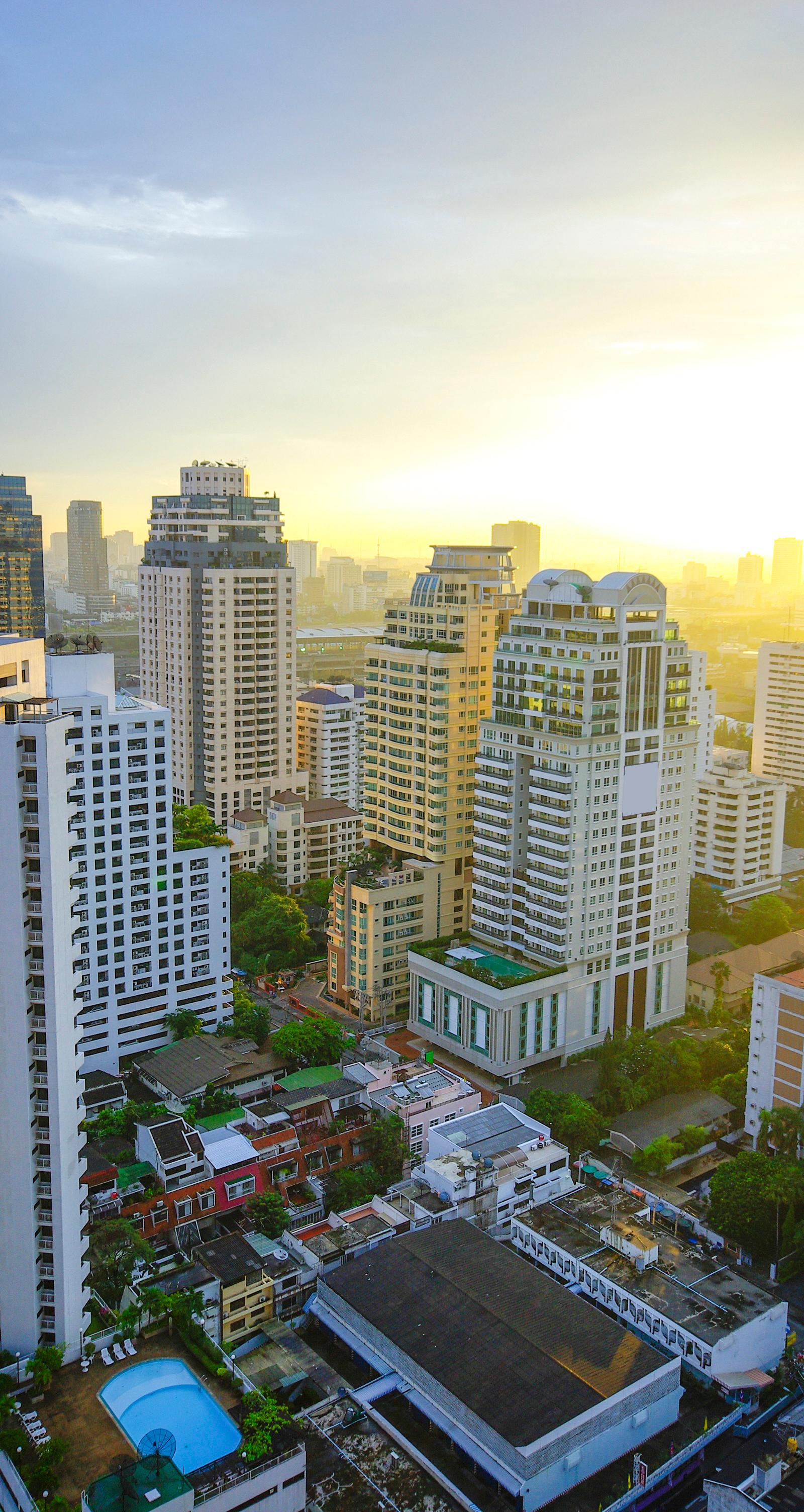
Bangkok’s city council is navigating its urban governance amidst a complex global backdrop marked by escalating geopolitical tension and severe weather events. Compared to other international cities facing similar pressures, the city's leadership is prioritising community resilience and adaptive planning, drawing sharp focus locally in Chinatown and beyond.
Context in a Time of Broader Regional Turmoil
Recent international developments, such as fresh US military strikes linked to the closure of the Strait of Hormuz by Iran and the onset of Typhoon Bavi devastating parts of China with massive evacuations, highlight the precarious climate Bangkok also operates within. While Bangkok is not directly involved in these events, the regional instability affects trade, migration, and disaster preparedness frameworks in the city, demanding robust responses from local government bodies.
Chinatown Bangkok, as a densely populated urban neighbourhood, carries particular weight in these dynamics. Its tight-knit communities face heightened vulnerability to supply disruptions and environmental hazards, making city council policies directly impactful on residents’ daily lives.
Local Governance and Urban Resilience Strategies
City council initiatives focus heavily on infrastructure upgrades and emergency preparedness programs tailored for neighbourhoods like Chinatown. Although precise budget figures and specific programs have not formally been disclosed, council meetings have repeatedly emphasised strengthening community alert systems and facilitating better evacuation routes in response to the lessons learned from nearby regions affected by severe weather and crisis events.
Bangkok’s approach contrasts with other global cities caught between urban expansion and climate risks. Instead of large-scale, radical redevelopment, the city council leans towards incremental adjustments prioritising community involvement and utilising local knowledge. This strategy is pivotal in densely settled areas where wholesale changes could disrupt established social and economic networks.
Evidence of this approach’s effectiveness is qualitative at this stage, relying on observed enhanced communication flows between city agencies and neighbourhood leaders. This collaborative model represents a pragmatic balance given Bangkok’s resource constraints, and geopolitical proximity to zones of conflict and environmental volatility.
Moving Forward: Adaptation and Vigilance
Residents and stakeholders in Chinatown and greater Bangkok should expect continued focus on resilience-building measures. The city council’s balancing act involves adapting to external shocks from regional security concerns and natural disasters while fostering sustainable urban development. Practically, this means bolstering community emergency readiness and maintaining vigilance on supply lines vulnerable to international disruptions.
While there is no immediate roadmap for transformative urban change revealed, Bangkok’s governance reflects an understanding that steady, locally attuned policies may offer the best pathway toward stability in uncertain times.