news
Bangkok’s Local Governance in a Global Context: A Steady Course Amid Turbulence
Bangkok’s city administration navigates complex challenges, with a governance style reflecting both the city’s unique context and trends seen in other global urban centres.
How we reported this
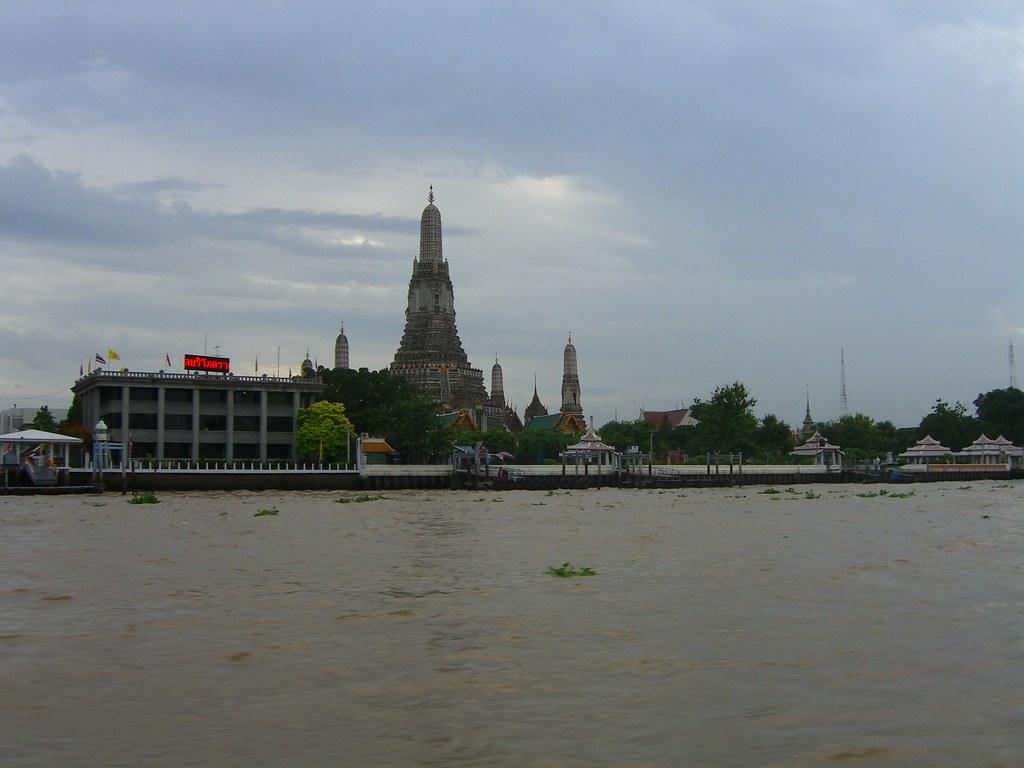
Bangkok’s municipal government continues to implement city planning and public services aimed at fostering resilience amidst regional tensions and global uncertainties. While other major cities face abrupt disruptions such as mass evacuations and military conflicts, the capital’s local governance remains focused on measured and pragmatic approaches to urban management.
Local Government Focus Against Global Disruptions
Recent international events-including China evacuating nearly two million people ahead of Typhoon Bavi, and ongoing military escalations impacting maritime trade routes-highlight the importance of agile urban governance. Bangkok, while impacted indirectly by such regional disturbances, has prioritized maintaining continuity in infrastructure and municipal services without resorting to large-scale population relocations or emergency shutdowns.
This posture reflects an understanding of Bangkok’s role as a dense, economically vital hub in Southeast Asia, where stability is critical for both residents and the national economy. Unlike cities facing natural disasters on the scale of the Chinese typhoon or acute security crises elsewhere, Bangkok’s leadership works within a framework that emphasises steady management rather than crisis-driven upheaval.
Urban Management Strategies in Practice
City departments in Bangkok continue to coordinate across districts to improve urban infrastructure, focusing on drainage systems and traffic flow, essential for daily life and economic activity. Taking cues from metropolitan models worldwide, the administration integrates technological solutions to monitor city operations, albeit on a scale suited to the city’s demographic and geographic realities.
Although no recent statistics on local budgets or project completions are publicly available today, the continued functioning of Bangkok’s transport arteries and stable utility services stands in contrast to cities forced into disruptive evacuations or emergency governance modes. This approach mitigates economic shocks and preserves public confidence, even as global tensions affect regional trade and energy supplies.
International comparisons suggest cities undergoing crisis management must quickly mobilize populations, sometimes displacing millions, which incurs significant social and financial costs. Bangkok’s zero-tolerance for large-scale evacuations so far shields its citizens from immediate upheaval, positioning it differently from more disaster-prone or conflict-affected urban centres globally.
Looking ahead, Bangkok’s local authorities are expected to maintain this balanced approach, continuously refining preparedness for both natural and geopolitical risks. Residents and businesses are advised to stay informed through official city communication channels and subscribe to alerts related to infrastructure maintenance or public health updates, ensuring coordination with municipal efforts to safeguard urban life.