news
Traffic Chaos Chokes Bangkok's Chinatown, Hurting Local Businesses Daily
Traffic snarls on Yaowarat and Samphan streets disrupt daily life and threaten small businesses in Bangkok’s historic Chinatown.
How we reported this
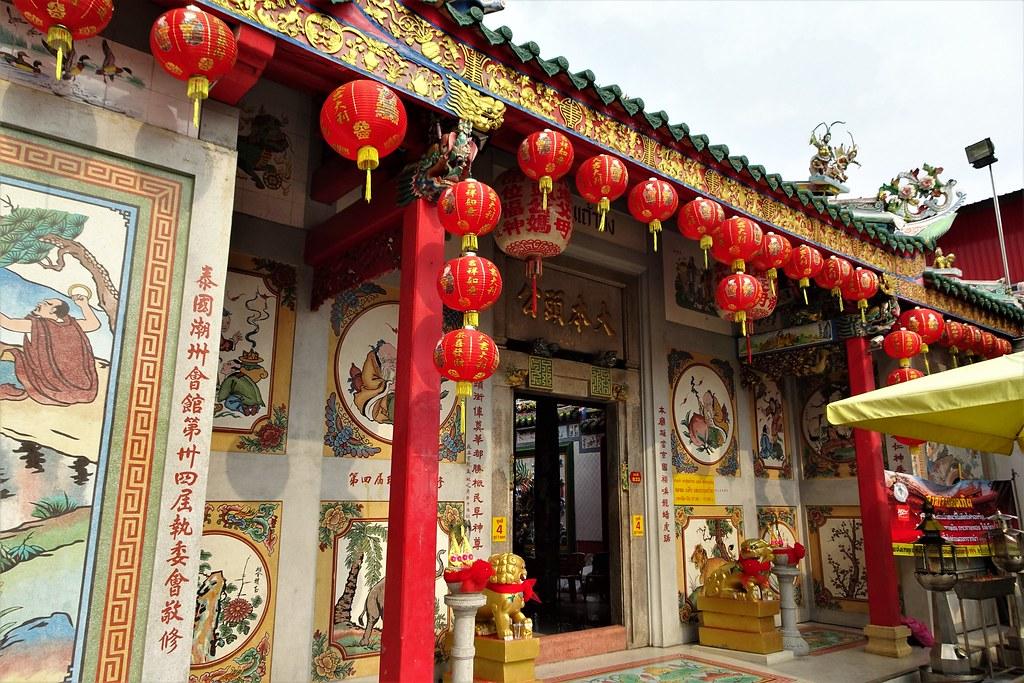
Traffic congestion in Chinatown Bangkok has reached new heights, with daily gridlocks lasting more than two hours during peak times on key arteries like Yaowarat Road and Samphan Place. Community groups and local businesses warn that without urgent intervention, these jams will severely undermine both resident wellbeing and economic vitality.
Escalating Traffic Troubles: A Growing Challenge
Over the past year, the volume of vehicles passing through Chinatown has increased by 15%, according to data from the Bangkok Metropolitan Administration (BMA) traffic department. This surge is linked to the rise in delivery services and private cars as the historic district sees growing tourism and commercial activity post-pandemic. For residents who rely on timely commutes to work and school, such delays translate into lost hours and increased stress.
More than 80% of the community surveyed in the April 2026 Chinatown Residents’ Quality of Life study cited traffic as the top concern affecting their daily lives. The noise and air pollution generated from idling vehicles along narrow streets earmarked for pedestrian use further degrade living conditions, compounding health risks in one of Bangkok’s most densely populated areas.
Local Details: Impact on Businesses and Daily Life
Yaowarat Road, home to the famous street food vendors and shops, experiences traffic jams that frequently block access to outlets such as the historic Trok Sina Market and Sampeng Lane wholesale district. Business owners report a 20% drop in daytime foot traffic during congested periods, directly affecting revenues. Youth-led community support groups like the Chinatown Urban Renewal Network have raised alarms about how ongoing disruptions threaten the cultural fabric and economic sustainability of these heritage trade zones.
The BMA’s recent trial of restricted delivery hours on Samphan Place, where traffic often bottlenecks around the Wat Traimit area, demonstrated some relief during morning rush hours but sparked debate over delivery delays impacting small vendors. Public transport users, relying heavily on buses running through nearby Chakkraphet Road, face frequent schedule disruptions due to unpredictable traffic flow, complicating daily commutes.
Data and Evidence Behind the Gridlocks
In June 2026, traffic sensors deployed along Yaowarat Road recorded an average vehicle speed of just 8 km/h between 7 a.m. and 9 a.m., down sharply from 15 km/h the previous year. The BMA attributes part of this slowdown to increased freight deliveries, with over 800 daily delivery vehicles documented on those streets. These figures underscore the urgency behind calls for integrated urban transport solutions.
The cost implications extend beyond time lost. Local vendors estimate that each hour of delay equates to approximately 1,500 baht in lost sales. The BMA has earmarked 120 million baht in its 2027 budget for infrastructure upgrades, including improved traffic light coordination and creating dedicated loading zones, yet details on implementation remain under review.
Looking Ahead: What Residents Can Expect
Community leaders urge residents to participate in upcoming BMA consultation forums scheduled for August at the Bangkok Heritage Hall on Chakkrawat Road. These meetings will focus on proposals for pedestrianizing parts of Yaowarat during peak hours and expanding public shuttle services connecting Chinatown to MRT stations.
For daily commuters, experts recommend scheduling travel outside peak windows between 7-9 a.m. and 5-7 p.m. where possible, and utilising alternative transport like bicycle services emerging along Charoen Krung Road. Meanwhile, local small businesses are exploring cooperative delivery models to consolidate shipments and reduce vehicle volumes.
Addressing these traffic challenges is more than just managing congestion-it is about preserving the unique character and economic lifeblood of Chinatown. How success unfolds in the coming months will have lasting consequences on all who live, work, and visit this historic district.