news
Voices from Chatuchak’s Community on Council Decisions Reverberate Amid Regional Strains
As City Council deliberations continue, residents express concerns tied to ongoing geopolitical tensions and urban impacts.
How we reported this
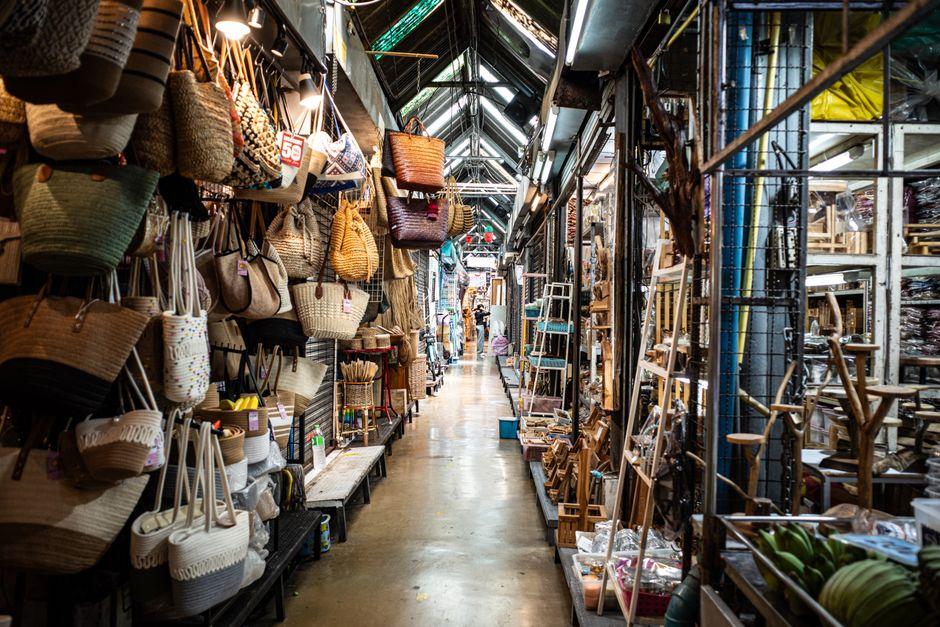
Chatuchak City Council meetings this month have sparked heightened reactions among local residents, with many voicing apprehensions not only about urban development policies but also about broader instabilities linked to international events. The recent escalation in the Strait of Hormuz involving U.S. and Iranian military confrontations, as reported by The New York Times on July 14, adds an undercurrent of uncertainty felt even at the community level.
Context: Why Local Voices Matter Amid Global Unrest
The council’s discussions around infrastructure, security, and urban growth must now be viewed against a backdrop of escalating international tensions. The U.S. and Iran have reignited conflict in the Strait of Hormuz, a strategically vital waterway, with live coverage from The New York Times highlighting ongoing clashes. These developments reportedly include threats by former U.S. President Trump to target key Iranian infrastructure, underpinning a volatile atmosphere that touches on global trade and energy supplies. Such geopolitical stress reverberates down to municipalities like Chatuchak, where residents feel worry about economic and social impacts.
Moreover, global economic strains are further pressured by China’s recent sharp slowdown in growth, as detailed by the BBC on July 15. This dynamic shapes investor confidence and urban development priorities, influencing how Chatuchak’s council approaches local planning and public safety considerations.
Local Impact: Community Concerns Shape Council Deliberations
Within Chatuchak, community members attending city council sessions have expressed unease about their neighborhoods’ futures. Though the council has not publicly released detailed projections or statistics related to development or funding changes, residents repeatedly highlight a need for clearer communication and stronger safeguards amid uncertain times. The lack of precise economic data from local government documents limits specific quantification of these concerns but qualitatively underscores a demand for responsiveness and transparency.
Particularly, housing affordability and access to public transport remain pressing topics. While exact pricing or demographic figures have not been disclosed, observers note a general sentiment that policy must be adaptive to prevent displacement or unmet community needs. Public commentary, reflecting a spectrum of age groups and socio-economic backgrounds, suggests that local voices expect their input to influence future resolutions significantly as council members consider how global events may translate into municipal priorities.
Additionally, the community monitors the situation involving multinational security firms abroad. For instance, the conflict on Del Monte’s Kenyan pineapple farm involving G4S, reported by The Guardian on July 13, highlights concerns about security and labor practices that some Chatuchak residents believe should inform corporate social responsibility standards locally.
Looking Ahead: Practical Advice for Residents
As the city council continues navigating these multifaceted challenges, residents are advised to stay engaged through official communication channels and community meetings. Although no specific new initiatives have been announced, monitoring announcements from Chatuchak’s municipal offices will be critical. Staying informed about how international events could affect local economic conditions and infrastructure investments will help community members anticipate changes and advocate for their interests effectively.
Furthermore, residents are encouraged to participate in public forums when available and to consult local NGOs or advocacy groups for support in addressing housing and urban policy issues. The council’s next meetings are expected to reflect ongoing dialogue influenced by both community input and broader geopolitical risks, underscoring the importance of civic involvement at this juncture.